A Manueline tower at the mouth of the Tagus
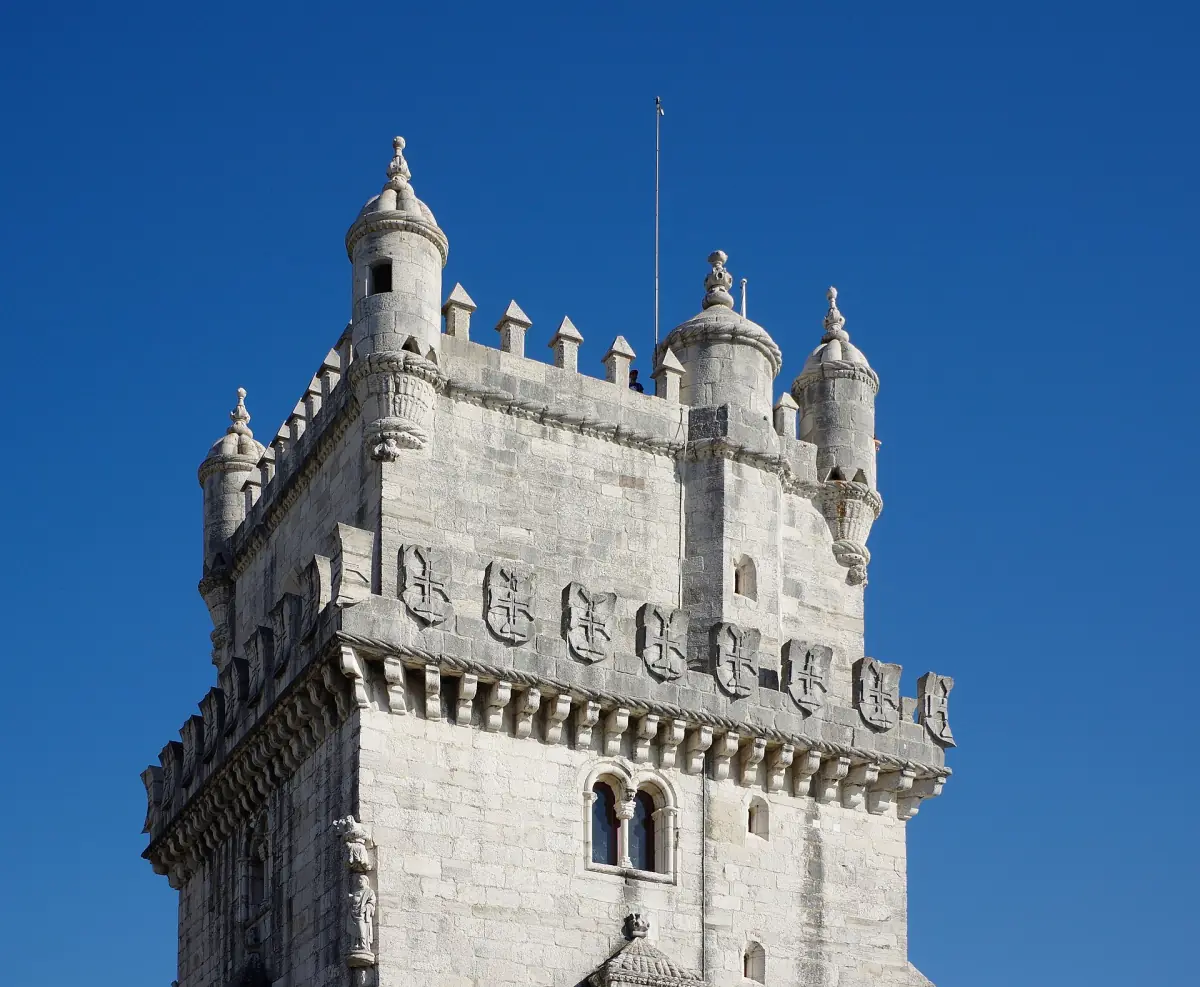
The Torre de Belém was built to defend the entrance to Lisbon. It combines a tower with an artillery bastion and stands at the historic gateway to the harbour. King Manuel I ordered it, and the architect was Francisco de Arruda. Work began around 1514, and the tower was finished between 1519 and 1521.
The style is Manueline, the ornate late Gothic style of Manuel's reign. Carved ornament, balconies and domed watch turrets decorate a building that was meant for defence. The turrets show North African and Moorish influence. Today the tower is open to visitors on a timed ticket, and the opening hours page has the current times.
Key dates at a glance
From the first stone to the reopening.
| Date | What happened |
|---|---|
| 1497 | Vasco da Gama sails from the Belém area on his voyage |
| 1500 | Cabral's voyage departs from the same harbour district |
| 1501 or 1502 | Foundation stone of the Jerónimos Monastery (6 January 1501 or 1502) |
| Around 1514 | Work on the tower begins |
| 1519 to 1521 | Tower completed |
| 1983 | Tower and monastery inscribed on the UNESCO World Heritage list |
| 1 January 2024 | The public body Museus e Monumentos de Portugal takes over full operation |
| 26 May 2026 | Official inauguration after restoration; public visits from 27 May 2026 |
Belém tours and tickets
Guided visits and tickets for Belém Tower and the monastery, with live prices and availability.
Architecture and details
What to look for on the facade and inside.
Tower and bastion in one
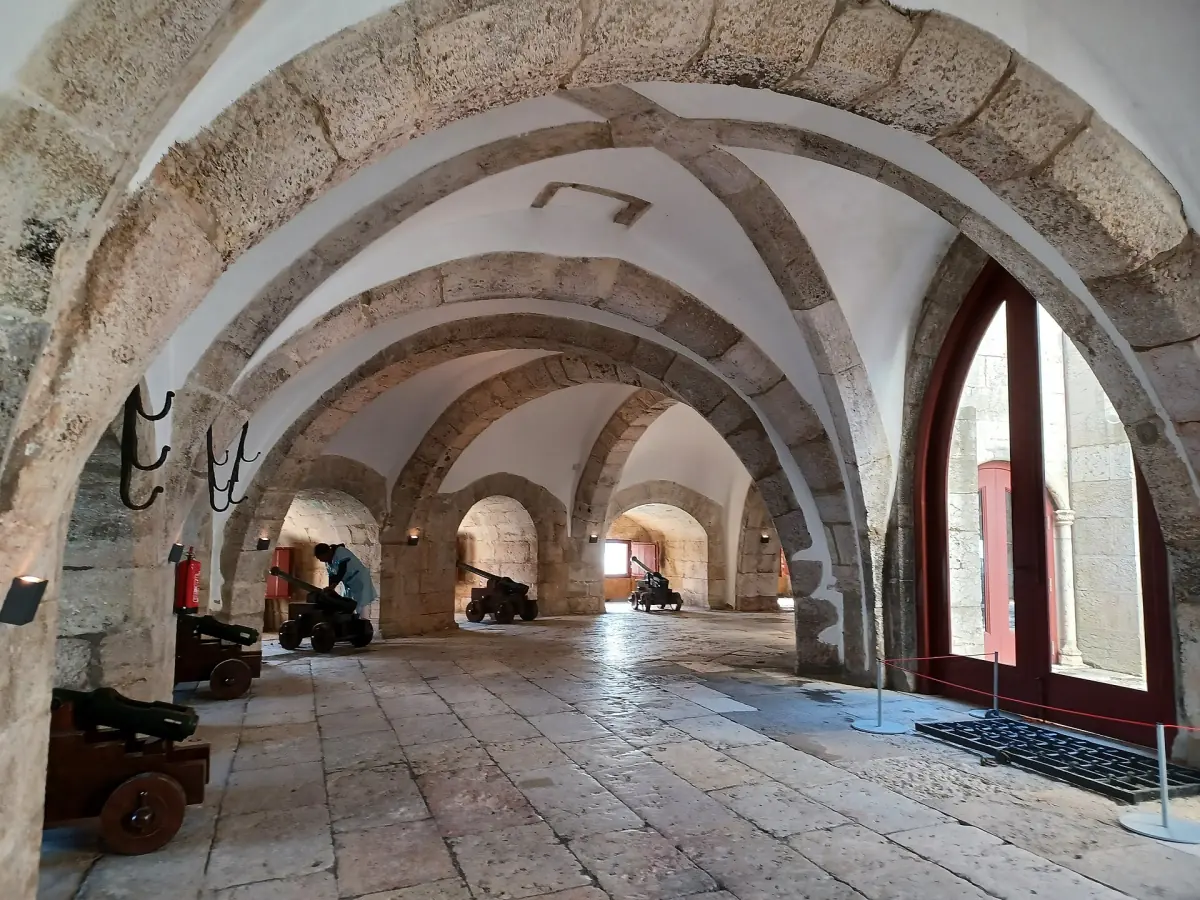
The building joins a defensive tower to a bastion built for artillery. The bastion room is the part with a vaulted interior, and a narrow spiral staircase links the floors above. For visitors with reduced mobility, access ends at the ground floor and the bastion room.
Manueline ornament
Look for the carved ornament, the balconies and the domed watch turrets. The turrets show North African and Moorish influence, which sets the tower apart from plain military buildings of the period.
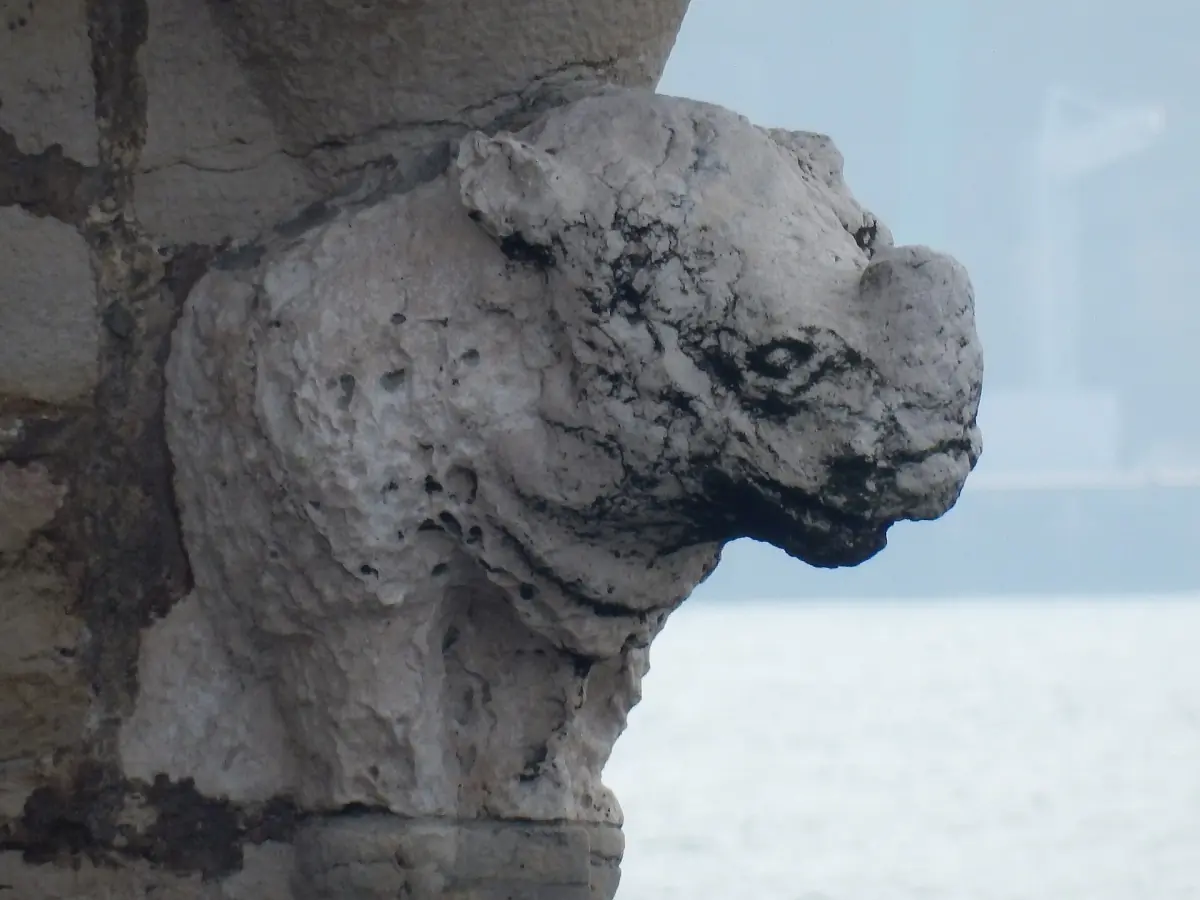
The rhinoceros
A carved stone rhinoceros belongs to the decoration of the tower. It is often described as the first stone rhinoceros in Europe.
The tower and the river
Why it stands where it does.
The tower was built on a basalt outcrop close to the right bank of the Tagus. Its relationship to the shore has changed since then, through changes in the river and through landfill. That is why the tower now stands at the water's edge. From the waterfront you can see how close it sits to the river.
The tower formed part of the defence of Lisbon, together with the harbour approach it guarded. Belém was also the place where ships set out. The voyages of Vasco da Gama in 1497 and Cabral in 1500 set out from this district. The Jerónimos Monastery rose beside the harbour in the same decades, and the two buildings now share one World Heritage listing.
UNESCO listing and what it covers
One site made of two buildings.
The tower and the Jerónimos Monastery are listed together as one World Heritage Site, inscribed in 1983. The listing covers the two monuments, not the whole district of Belém. The protected area is 2.66 hectares, with a buffer zone of 103 hectares around it. Other places in Belém, such as the Padrão dos Descobrimentos, the museums and the gardens, are outside the listing.
The Padrão is a newer layer of the same story. The permanent monument dates from 1960, after a temporary version of 1940 built for an exhibition, and it was designed by Cottinelli Telmo and Leopoldo de Almeida. Read more on the Padrão page and the monastery page.
Restoration and the tower today
From restoration to reopening.
The tower went through conservation and restoration under the national recovery programme. The work was announced as complete with the inauguration on 26 May 2026, and the public could enter again from 27 May 2026. Since 1 January 2024 the public body Museus e Monumentos de Portugal runs the monument. This site has no connection to that body. For tickets and prices, see the tickets page. For the rest of the city and its history, our Lisbon guide has a Belém Tower page as well.
History of Belém Tower: frequently asked questions
When was Belém Tower built?
Work began around 1514 under King Manuel I, and the tower was finished between 1519 and 1521. The architect was Francisco de Arruda.
Why was it built?
It was built as part of the defence of Lisbon, to guard the entrance from the Tagus. It combines a tower with an artillery bastion.
What does Manueline mean?
It is the ornate late Gothic style of King Manuel I's reign. On the tower you see it in carved ropes, balconies and decorative stonework, mixed with domed watch turrets that show North African and Moorish influence.
Was the tower built in the middle of the river?
No. It was built on a basalt outcrop near the right bank. Changes in the river and landfill changed its relationship to the shore over time.
Is Belém Tower a World Heritage Site?
Yes, together with the Jerónimos Monastery. The joint site was inscribed in 1983, and it does not cover the whole district.
Is the tower open after its restoration?
Yes. It was inaugurated on 26 May 2026 and has been open to visitors since 27 May 2026. See the opening hours.